|
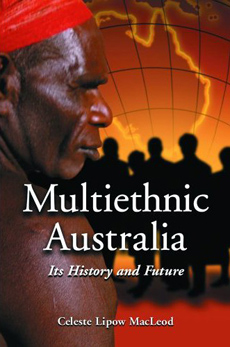
Australia changed after the second World War, gradually becoming one of the world's most multiethnic nations. Its citizens come from some 240 countries, places and ethnic groups around the globe. Since the mid-1980s, the largest numbers coming in each year from any one area are from Asian countries. More than forty percent of Australians now have national origins other than British or Irish, while 2 1/2 percent are Indigenous peoples.
Multiethnic Australia tells the story of this transformation. The book combines past and present to show why immigration policies changed, the conflicts this caused and the benefits they brought. Later chapters describe in detail how the country devised practical services for recent immigrants and refugees, and how it developed a policy that encourages immigrants to retain their traditional cultures while also becoming loyal Australians. Final chapters view Australia in the context of its Asia Pacific location and recent world history: the arrival of boat refugees from Middle Eastern countries, the Bali bombings, the Cronulla Beach riot and the impact of China's emergence as an economic and political power.
“Does a great job in putting migration and ethnicity at the centre...a very good and readable book. I recommend it highly.“
Dr. James Jupp, Australian National University
“A concise yet highly detailed social history of Australia...relates, in crisp prose, the dynamic story of this ethnic change.“
Institute for Historical Study Newsletter
“Anyone interested in knowing how Australia was settled, grew, prospered and came to accept a multicultural identity can benefit from consulting this slender and spritely volume...Recommended.“
Choice
|